Is Your Flat Roof Properly Insulated? Here’s Why It Matters

Insulation is one of the most overlooked—but most important—parts of a flat roof system. For property owners, builders, and facility managers in Southern Ontario, improper insulation can mean higher energy bills, moisture problems, and shorter roof lifespan.

At Garcia Roofing, we help clients make informed decisions about roofing insulation to protect their investment, improve building performance, and reduce long-term costs.


Why Flat Roof Insulation Is Crucial in Southern Ontario

Ontario weather is notoriously unpredictable—icy winters, damp springs, and hot, humid summers. A properly insulated flat roof helps by:

  • Reducing heating and cooling costs
  • Preventing condensation buildup and moisture damage
  • Maintaining comfortable indoor temperatures
  • Protecting the roof membrane from temperature-related stress

This is especially important for commercial and multi-unit residential buildings where utility bills and interior climate control are significant concerns.


What Makes a Flat Roof “Properly Insulated”?


A well-insulated flat roof includes the following components:

1. Continuous Rigid Insulation Layers

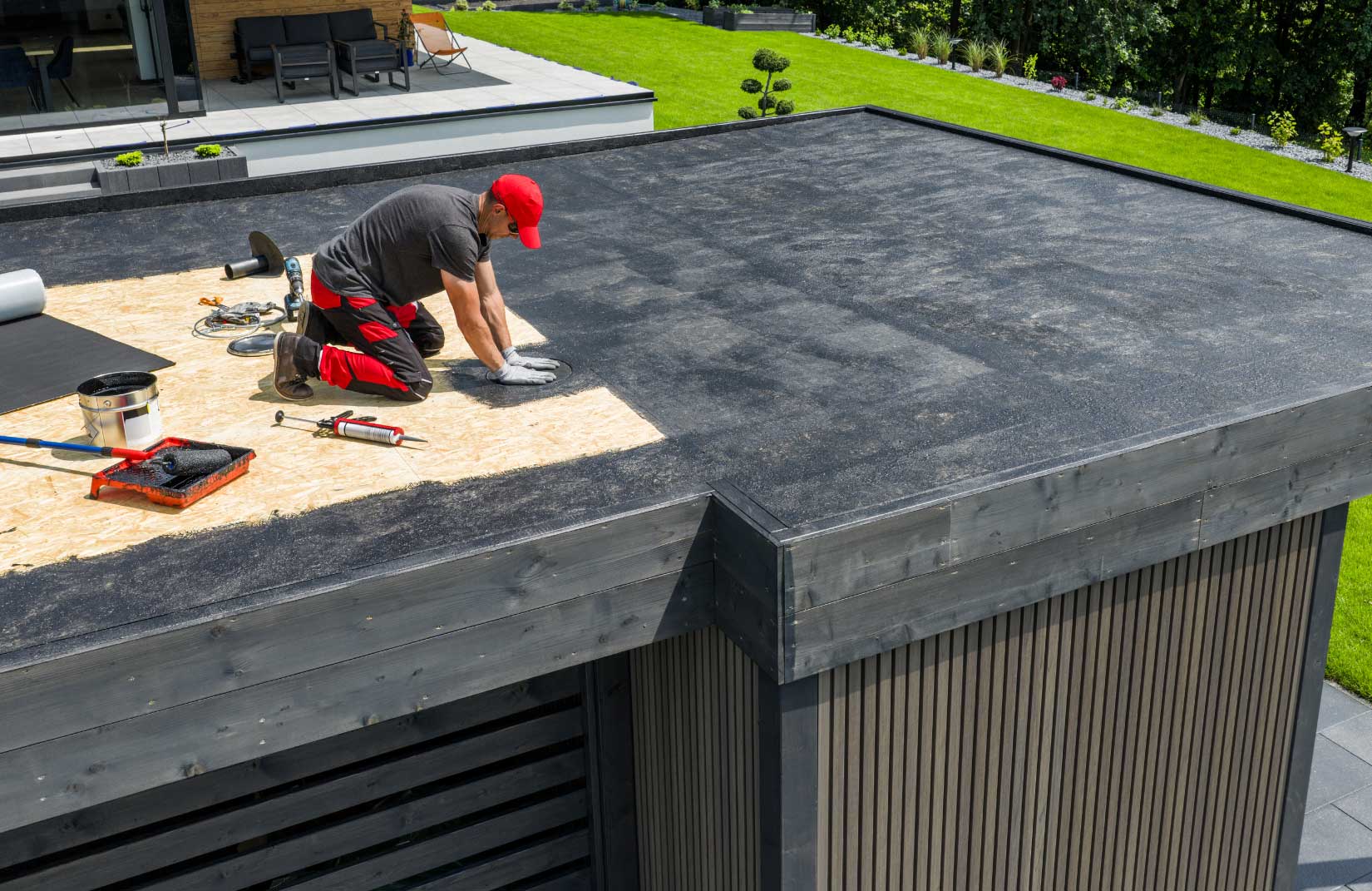
Most modern flat roofs use polyisocyanurate (ISO) or extruded polystyrene (XPS) boards. These materials have high thermal resistance and are installed in continuous layers to reduce thermal bridging.


2. Vapor Barrier and Air Sealing

Vapor barriers prevent moisture from migrating into the insulation, which can reduce R-value and cause structural problems. Proper sealing around penetrations and seams is critical.


3. Proper Slope and Drainage

Trapped water can reduce insulation performance and increase the risk of leaks. Insulation is often tapered to ensure correct drainage to scuppers or roof drains.
At Garcia Roofing, we ensure insulation is installed to spec—and above code—every time.


Signs Your Flat Roof Insulation May Be Failing

Be on the lookout for:

  • Unexplained spikes in heating or cooling bills
  • Water stains on ceilings or walls
  • Cold drafts in top-floor units
  • Interior frost during winter
  • Sagging roof sections

If you notice these, it’s time for a roof inspection—especially if your roof is older or wasn’t installed with energy efficiency in mind.


How Proper Insulation Increases Roof Lifespan

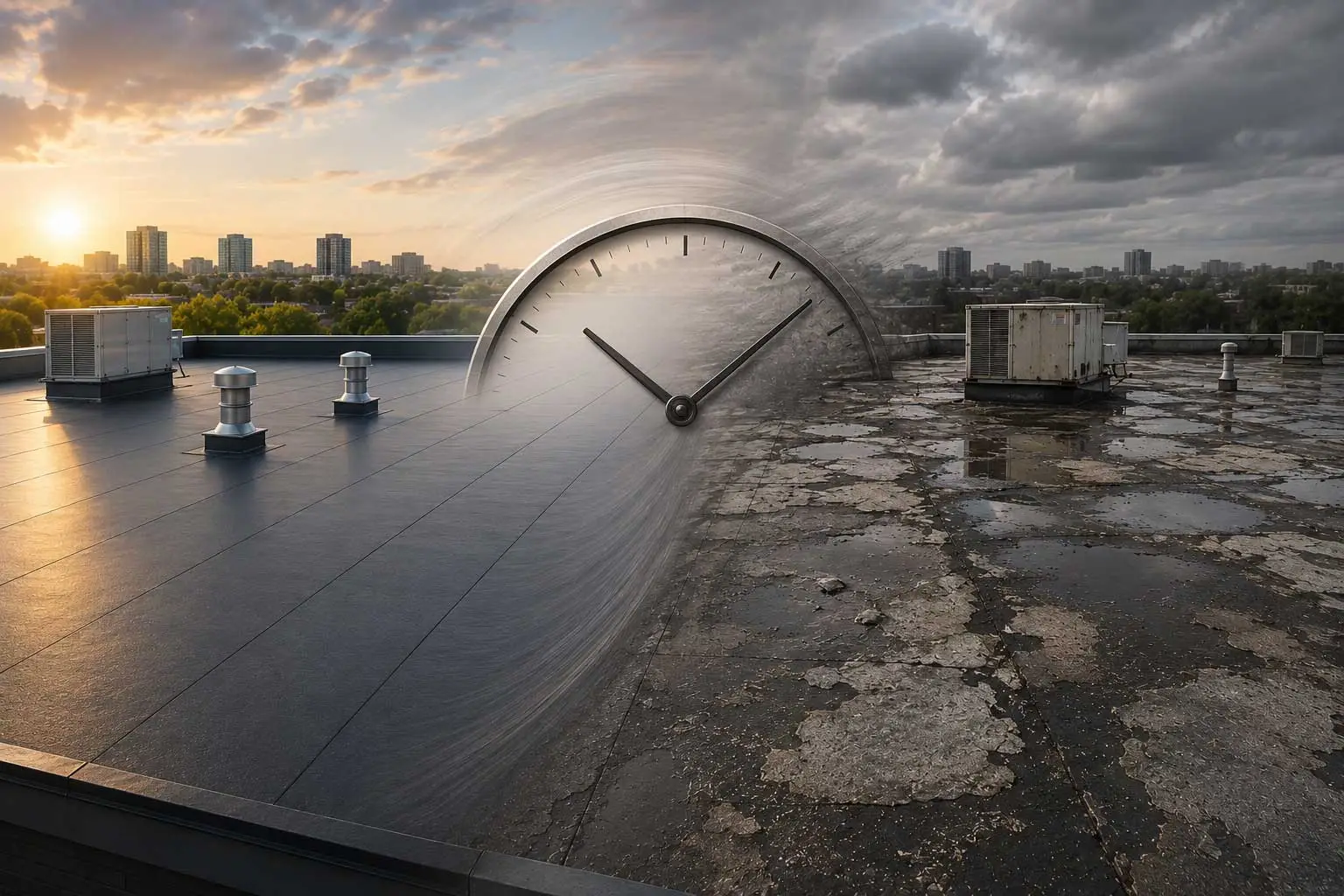
Temperature swings cause roofing materials to expand and contract. In Southern Ontario, that could mean a 50°C difference between January and July.

Without proper insulation to buffer those extremes, membranes and seams are under constant stress. This leads to:

  • More frequent repairs
  • Shorter roof lifespan
  • Reduced performance of waterproofing layers

At Garcia Roofing, we factor in thermal stress when designing roofing systems—choosing materials and insulation that work together for long-term durability.


Roofing Insulation and Building Code in Ontario

The Ontario Building Code mandates minimum thermal resistance (R-value) for commercial and residential flat roofs. However, meeting the bare minimum isn’t always enough.

We often recommend insulation systems that exceed code to:

  • Reduce lifecycle operating costs
  • Prevent condensation issues
  • Prepare buildings for future retrofits or green certifications (like LEED)


Why Work With Garcia Roofing?

When you work with us, you get:

  • Over a decade of experience in Ontario roofing
  • Certified installers trained in energy-efficient systems
  • Accurate R-value calculations and vapor barrier strategies
  • Long-term warranty and maintenance plans

We’re proud to say: “We’re not just here for today, we’re here for tomorrow.”

That means we don’t cut corners. We build roofs that last—and save you stress and money while they do.

How U.S. Tariffs Impact Roofing Prices in Canada — And Why Garcia Roofing Is Ready

The Rising Concern Over Tariffs and Their Ripple Effect

In recent weeks, discussions around potential new tariffs imposed by the U.S. government on Canadian goods have made headlines. With proposed levies on exports such as steel, aluminum, and other key building materials, Canadian industries—including the roofing sector—are bracing for possible impacts.

Although the full details and scope of these tariffs are changing daily, they bring renewed attention to the cost of imported materials, supply chain stability, and long-term pricing within the roofing industry we haven’t seen since COVID-19.


What This Means for Roofing Prices in Canada

Why Roofing Materials Are Vulnerable

Many roofing products are made in the United States, including flat roofing systems, commercial roofing, and even residential roofing products, however some materials may also originate in Canada. These include:

  • Aluminum flashing and fasteners
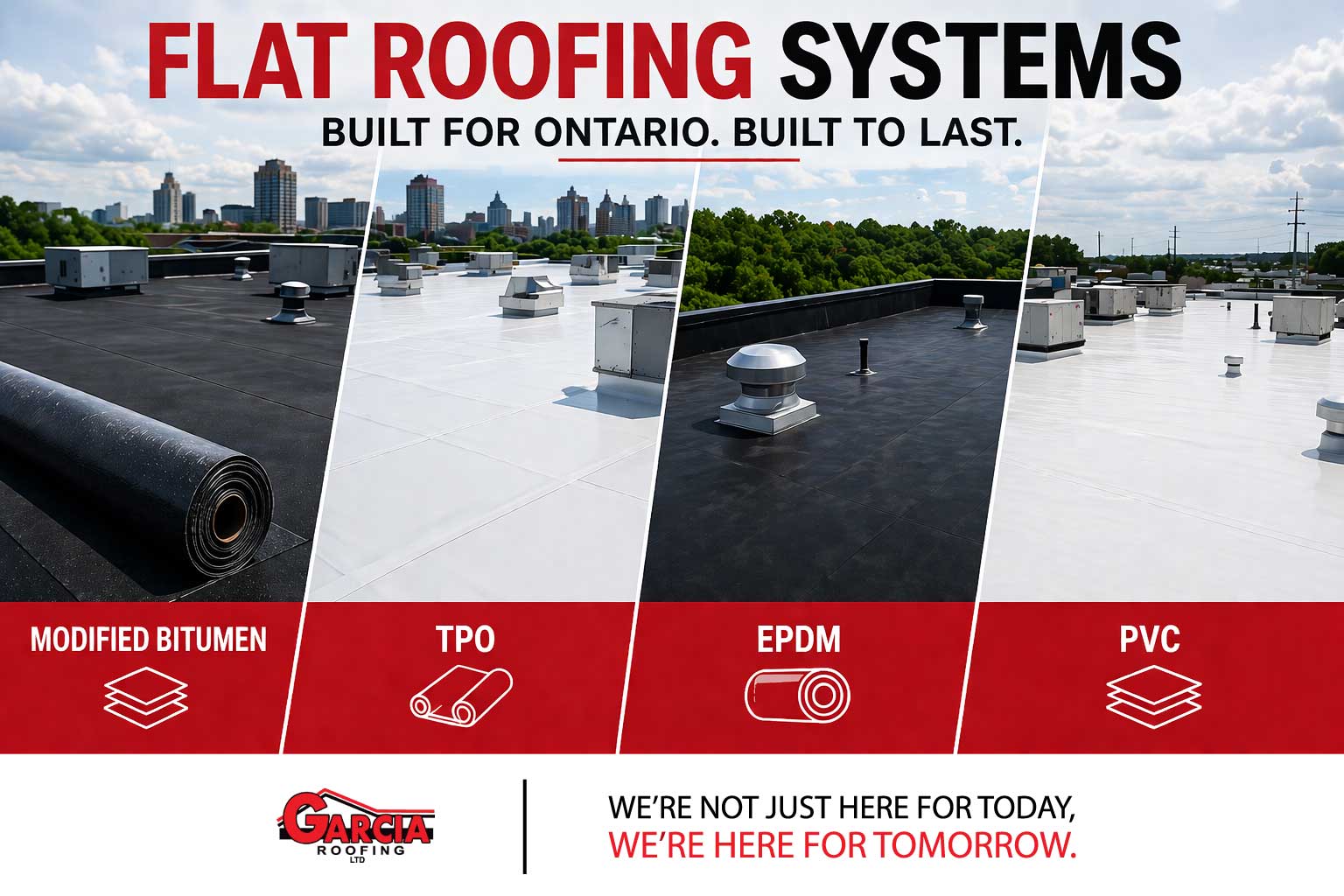
  • Modified bitumen membranes
  • Underlayments, vapour barriers, and water-proofing membranes
  • Insulation materials and adhesives

Unfortunately, whether tariffs are applied or not, the increased uncertainty around the cost of importing these goods into Canada have already lead to higher procurement costs for roofing companies, which may—depending on the severity—translate into higher project quotes.


When do prices increase?

It’s important to note that roofing material prices – along with many other building materials, such as lumber – tend to incur price increases every spring and fall, with or without tariffs.

This time, similar to what we experienced during the COVID-19 pandemic, manufacturers and suppliers have already raised their prices slightly above their normal increases to compensate for the uncertainty in the market.


Our Track Record: Resilience Through Uncertainty

Surviving and Thriving Through COVID-19

Garcia Roofing isn’t new to navigating uncertainty. During the COVID-19 pandemic, we successfully managed supply chain disruptions, delivery delays, and price volatility, all while continuing to serve our clients with integrity and efficiency. We implemented strategic sourcing, bulk ordering, and scheduling adjustments to avoid cost increases wherever possible.


Adaptive Strategies That Keep Your Project on Track

With the lessons we’ve learned, we’re well-prepared to take on today’s economic fluctuations. Our current approach includes:

  • Diversifying supplier relationships to avoid over-reliance on U.S. imports
  • Sourcing certified Canadian-made products when possible
  • Keeping extra stock of high-demand materials to avoid shortages
  • Providing timely updates to clients about any changes in material availability or costs

What This Means for You as a Property Owner or Builder

As a client of Garcia Roofing—whether you’re a homeowner, contractor, or building manager—you can trust that:

  • Our prices are guaranteed for up to 60 days, and Purchase Orders, once placed, are valid for up to 12 months.
  • Our team has extensive experience negotiating with the right people at the right time to ensure we’re providing the best possible prices to our clients.
  • We are capable mechanics, which means if we can fix your roof instead of replacing it completely until prices stabilize, we will offer this as an alternative.
  • We stay informed. Our team actively monitors economic and regulatory changes to minimize disruption.
  • We communicate clearly. If material costs shift, we’ll update you as soon as possible—no surprises.
  • We put your budget first. We’ll work with you to explore all material options and find cost-effective solutions that don’t compromise quality.
  • We’re in this for the long haul. Like our tagline says: “We’re not just here for today, we’re here for tomorrow.


How to Prepare for Roofing Projects Amid Economic Uncertainty

Even in an unpredictable market, there are steps you can take to stay ahead:

1. Book Early

Scheduling your project in advance gives us time to secure the best material pricing and lock in dates before any potential changes occur.

2. Be Open to Alternatives

Our team will always recommend the best materials for your needs, but if a specific product becomes unavailable or cost-prohibitive, we’ll suggest reliable alternatives that still meet your performance and aesthetic goals. We may also suggest a roof repair instead of a roof replacement, if possible.

3. Ask Questions

We encourage clients to stay engaged and informed. If you have concerns about your project’s pricing or timeline, we’re always here to talk it through.


Why Garcia Roofing Is the Trusted Partner in Uncertain Times

We understand that the roofing industry isn’t just about installing membranes or sealing joints—it’s about trust, transparency, and reliability. Whether it’s a national trade dispute, supply chain hiccup, or weather-driven delay, we pride ourselves on being a steady partner for your project.

When you choose Garcia Roofing, you’re choosing a team that plans ahead, communicates honestly, and always puts quality first.