How Long Should a Flat Roof Last? Factors That Impact Roof Lifespan

If you own or manage a building with a flat roof, you know it’s an investment—one that should protect your property for decades when properly maintained. But one nagging question everyone in this position has likely had at some point is, how long does a flat roof really last in Ontario’s climate?

The answer: it depends on material type, installation, drainage, maintenance, and local conditions. Let’s break it down so you can understand what you have, what you may be looking at, and avoid costly surprises.


Typical Flat Roof Lifespans by Material


The lifespan of your flat roof largely depends on how well it was planned, installed, and maintained.

Why Planning Matters:

It’s important to keep in mind that partly due to lifespan, different materials are recommended for different applications. Since most options have a similar lifespan on their own, we have to consider the application we’re working with. For example, we won’t use EPDM above a restaurant because the grease will eat at the membrane.

Why Installation Matters:

This one should be pretty self-explanatory, but it’s worth repeating. An experienced, well trained and trusted flat roofing company is going to provide an installation that meets manufacturer expectations, and maximizes the life of their products.

Why Maintenance Matters: 

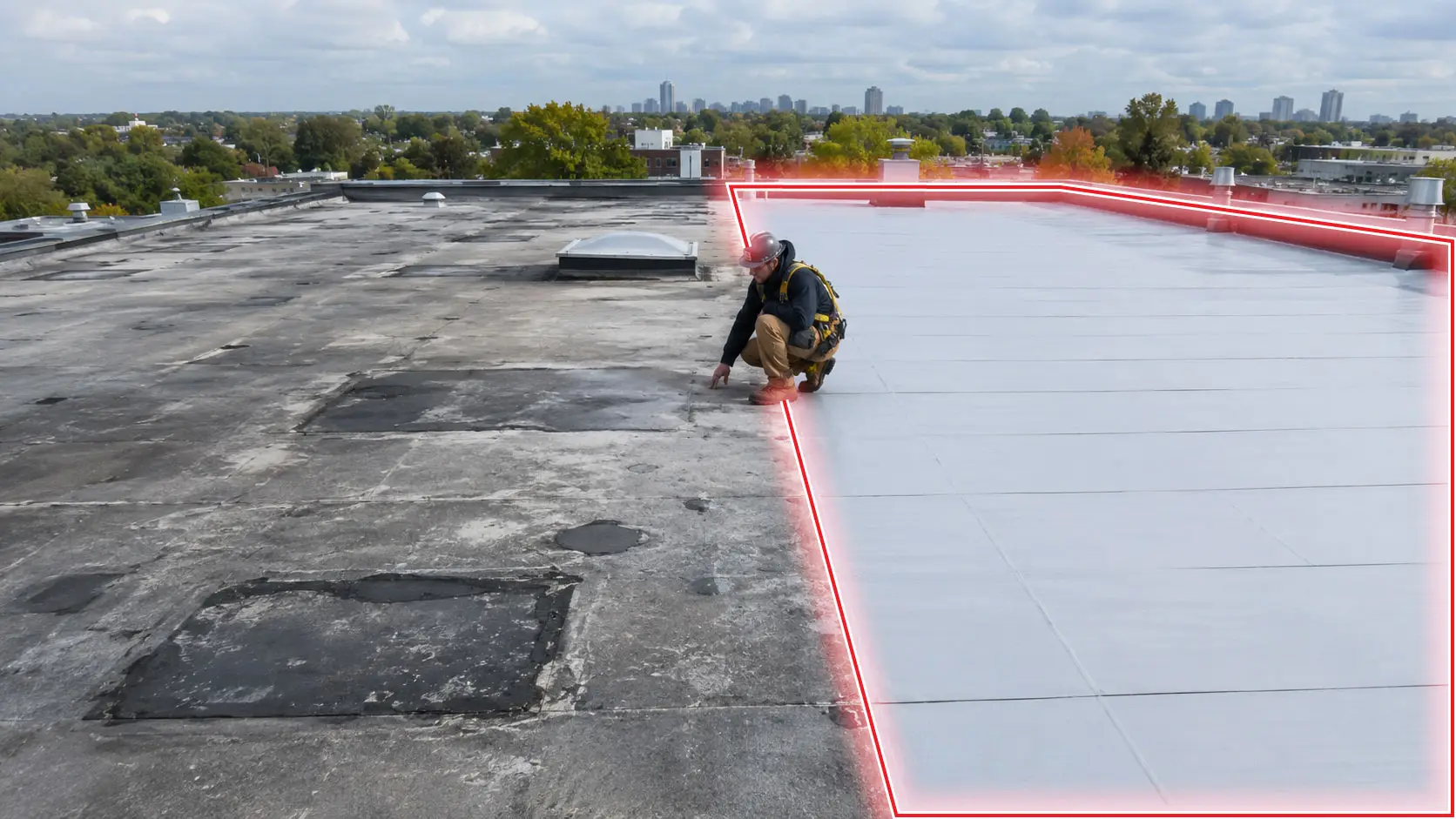
Just like your vehicle, preventative and scheduled maintenance can greatly increase the lifespan of your flat roof when done properly by experienced flat roofer mechanics.  If maintenance is not kept up with, the expected lifespan of your flat roof could be much lower than you think.

Common Flat Roof Materials & Lifespans

  • EPDM Rubber Roof: Up to 20 years
  • TPO Roof: Up to 20–30 years
  • PVC Roof: Up to 20–30 years
  • Modified Bitumen (ModBit): Up to 20–30 years
  • Built-Up Roof (BUR): Up to 20–30 years

These ranges assume appropriate material selection for each project, proper installation and regular maintenance. Ontario’s snow, ice, and freeze-thaw cycles can shorten lifespan if drainage or insulation are neglected, and certain materials are used for certain projects for safety, durability and reliability reasons. Trust a company like Garcia Roofing to select, install and maintain the right roof for you.


How to Identify What Kind of Flat Roof You Have

The first step in determining how long your flat roof should last is a solid understanding of what kind of flat roof you have. Many building owners aren’t sure which flat roof type they own—especially in older buildings, so if you’re not sure, you are not alone.

Here’s how you can start:

  • Check building documents: Your maintenance logs or building specs may list the system.
  • Visual clues:
    • EPDM is usually black rubbery sheets.
    • TPO/PVC are white or light-colored and heat-welded at seams.
    • ModBit or similar roofing typically has a granular surface, sometimes with seams sealed by torch or adhesive.
    • BUR looks like layers of tar and gravel.

When in doubt, call a pro—especially before climbing onto a roof.


factors that impact flat roof lifespan infographic

Factors That Can Impact Roof Lifespan

1. Material Quality

High-grade materials like thicker membranes or premium adhesives resist UV rays and temperature swings better.

2. Proper Installation

Poor workmanship causes premature leaks, ponding, or membrane separation. That’s why certified contractors like Garcia Roofing matter.

3. Drainage Design

Standing water degrades roofing faster. Proper slopes, drains, and scuppers are essential—especially with heavy Ontario snow melt.

4. Insulation & Vapor Barriers

Good insulation protects your membrane from stress caused by extreme temperature swings.

5. Routine Maintenance

Annual inspections, debris clearing, and minor repairs go a long way in preventing major issues.


How to Check Your Flat Roof for Signs of Trouble

DIY Inspection Tips

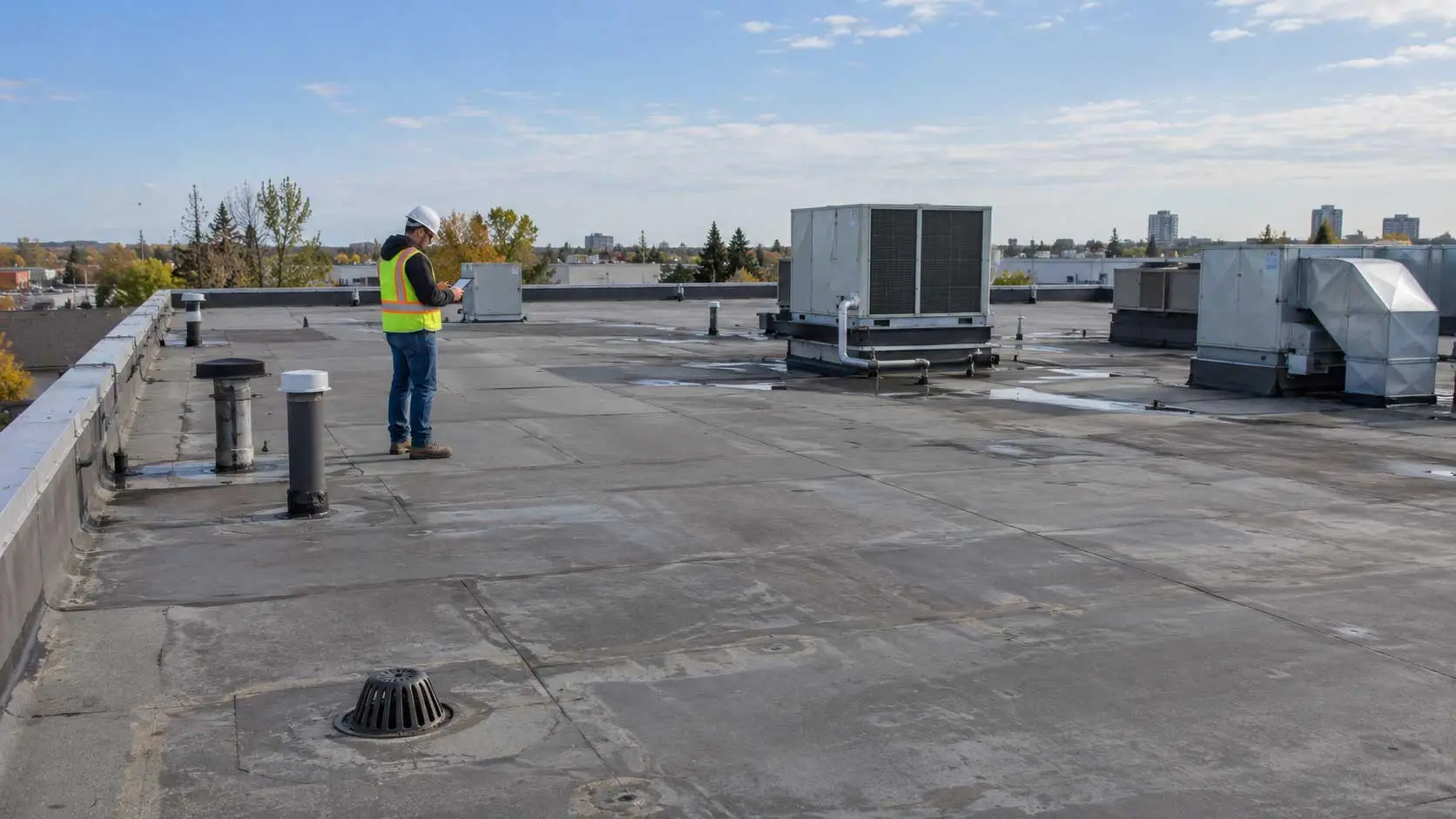
If it’s safe and accessible, here’s what to look for:

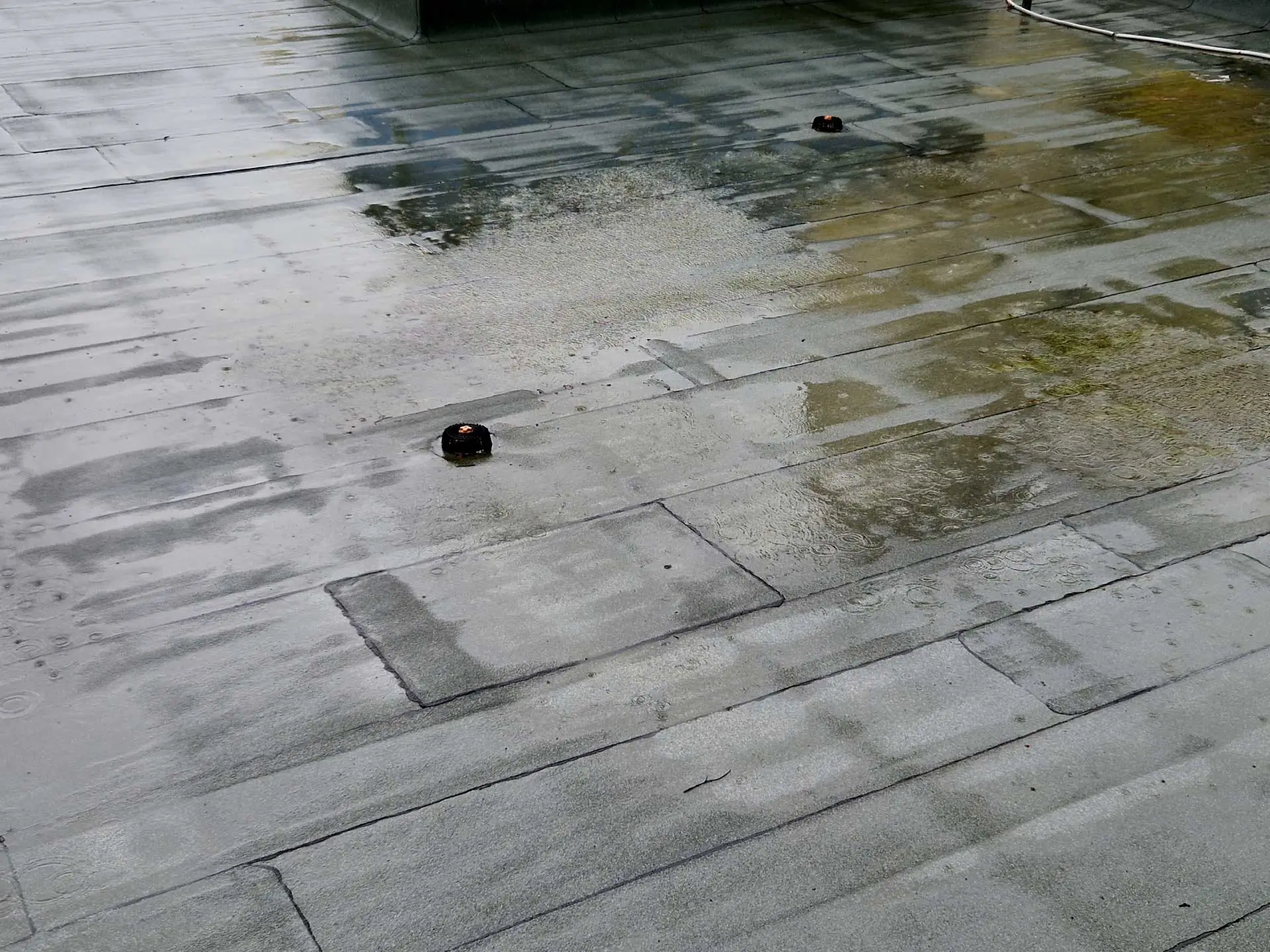
  • Ponding Water: After rain, check for standing water that lasts more than 48 hours.
  • Visible Blisters or Cracks: Look for bubbles under the membrane or splits along seams.
  • Damaged Flashing: Check metal edges and seams for rust or separation.
  • Interior Stains: Brown spots on ceilings or walls can mean hidden leaks.
  • Moss or Vegetation: Indicates pooling water and trapped debris.


Why Hiring a Professional is the Smart Move

Flat roofs are tricky. Hidden leaks, poor drainage, and failing seams often go unnoticed until major damage appears.
A trusted local expert like Garcia Roofing:

  • Knows Ontario’s weather conditions
  • Understands the nuances of each flat roof system
  • Uses safe inspection methods
  • Spots early warning signs homeowners might miss
  • Provides detailed maintenance plans to extend roof life


How Garcia Roofing Extends Flat Roof Lifespan

With over a decade of experience, we don’t just install roofs—we build systems that stand the test of time. Here’s how we help clients maximize their roof’s lifespan:

  • Detailed inspections & condition reports
  • Preventive maintenance plans
  • Quality repairs using compatible materials
  • Upgrades for insulation and drainage
  • Transparent advice about when replacement is truly needed


Remember, at Garcia Roofing, we’re not just here for today—we’re here for tomorrow too.

The Role of Energy Efficiency in Flat Roofing: How Your Roof Can Save You Money

Introduction

Energy efficiency is no longer just a buzzword—it’s a priority for building owners, developers, and property managers across Ontario. With rising energy costs and increasing environmental awareness, your flat roof can play a powerful role in reducing monthly expenses and improving building performance. At Garcia Roofing, we specialize in energy-efficient flat roofing systems tailored to Southern Ontario’s unique climate.


Why Energy Efficiency Matters in Flat Roofing

Flat roofs provide a wide surface area exposed to the sun, wind, rain, and snow. Without proper insulation or reflective materials, these roofs can contribute to extreme indoor temperature fluctuations, increasing the load on HVAC systems and driving up energy bills.

A well-designed flat roof, however, can:

  • Reflect solar radiation (reducing cooling needs)
  • Retain heat during Ontario’s cold winters (reducing heating costs)
  • Provide a foundation for solar installations or green roofs


Key Elements of an Energy-Efficient Flat Roof

1. High-Quality Insulation

Proper insulation minimizes thermal transfer between the interior and exterior of your building. At Garcia Roofing, we use premium rigid board insulation suited to your building’s needs and local climate.

2. Reflective Roofing Materials

Light-coloured, reflective roofing membranes reduce heat absorption and improve summer comfort inside buildings. Materials like TPO, PVC, and some modified bitumen systems are ideal for “cool roof” applications.

3. Proper Drainage Systems

Energy savings can be compromised by pooling water and moisture issues. Garcia Roofing ensures that every system includes appropriate drainage design, preventing damage and promoting energy efficiency.

4. Air Sealing and Vapor Barriers

Stopping unwanted air leaks helps retain conditioned air, especially important during Ontario’s freezing winters. We integrate vapor barriers and sealing into every roofing system.


Ontario-Specific Considerations

Southern Ontario experiences four distinct seasons with temperature swings, heavy snowfall, and high humidity. These conditions demand:

  • Insulation with high R-value to retain heat
  • UV-resistant membranes for summer durability
  • Snow load capacity planning

Garcia Roofing has extensive experience installing roofing systems specifically for Ontario’s climate. Our recommendations are always tailored to your project, not one-size-fits-all.


How Energy-Efficient Roofing Saves Money

Short-Term Savings

  • Lower utility bills through reduced HVAC usage
  • Less maintenance due to superior materials and weather protection

Long-Term Returns

  • Extended roof life with less wear and tear
  • Eligible rebates under Ontario energy programs
  • Higher property value through improved building performance


Why Choose Garcia Roofing for Energy-Efficient Roofing?

  • Over 10 years of commercial flat roofing experience in Ontario
  • Certified installers of leading roofing systems (TPO, ModBit, PVC, EPDM)
  • Committed to long-term solutions, not just temporary fixes
  • Local, trustworthy, and detail-oriented team

We evaluate your building, usage patterns, and future goals to recommend the roofing system that saves you money while protecting your property.


Frequently Asked Questions

How can a flat roof improve energy efficiency?

Flat roofs can reduce energy costs by using reflective membranes, proper insulation, and air sealing to minimize heat transfer and HVAC strain.


What are the best energy-efficient flat roofing materials?

Materials like TPO, PVC, and Modified Bitumen with high reflectivity and insulation support are ideal for energy savings.


Do energy-efficient roofs qualify for rebates in Ontario?

Yes, some roofing projects may qualify for energy efficiency rebates depending on materials and upgrades. Garcia Roofing can help identify these opportunities.

5 Reasons to Choose a Local Ontario Roofing Contractor Over Big Corporations

When you’re hiring someone to work on your home or commercial building, the name you choose matters. While big-name national or franchise roofing companies may seem convenient, the best value often comes from local professionals who live, work, and invest in your community.

Garcia Roofing is proud to be a trusted local Ontario roofing contractor that brings personal service and proven results to every project.


Here are 5 Key Reasons to Choose a Local Roofer Over a Large Corporation:


1. We Know Ontario’s Roofing Needs—Because We Live Here Too

Local roofing companies understand Ontario’s unique weather challenges—heavy snowfalls, fast thaws, spring rain, summer heatwaves—and how they affect flat, sloped, and low-slope roofs.

Garcia Roofing has hands-on experience with:

  • A variety of roofing systems that can handle fluctuating temperatures
  • Drainage planning to combat spring melt and water pooling
  • Snow load management for commercial and residential flat roofs

We don’t just apply cookie-cutter solutions—we tailor every job to local conditions.


2. Personalized Customer Service That Big Chains Can’t Match

National roofing corporations often prioritize volume over relationships. Local roofers, on the other hand, depend on reputation, referrals, and lasting community trust.

At Garcia Roofing:

  • The owner personally inspects every job
  • Communication is direct—no call centers or third-party agents
  • We treat every property like it’s our own

Our clients know who’s on their roof, who’s managing their materials, and who’s accountable from start to finish.


3. Better Value Through Regional Price Shopping

Unlike many larger corporations locked into national supply chains, local contractors can price-shop regionally to find the best deals on high-quality roofing materials.

Garcia Roofing regularly compares suppliers across Ontario to:

  • Secure the most cost-effective, high-performance products
  • Avoid unnecessary shipping fees
  • Ensure competitive, fair pricing, even during peak season, market shortages or unexpected events

We pass those savings directly on to our customers.


4. Faster Response Times for Repairs and Emergencies

When a storm rolls through or you spot a leak, time matters. With big companies, you may face long wait times or service that’s scheduled out of a different province.

Local roofers like Garcia Roofing can:

  • Respond quickly to emergency repairs and leaks
  • Perform regular maintenance on your timeline
  • Offer ongoing support because we’re just around the corner

When you need help, we’re not a phone tree away—we’re right down the road.


5. Investing in the Local Economy

Choosing a local roofing company means supporting local business owners, local suppliers, and local workers. It keeps dollars in your community and helps create a stronger, more resilient economy.

Garcia Roofing is proud to:

  • Hire skilled tradespeople from the region
  • Partner with local vendors and suppliers
  • Give back through community engagement and networking

Every roof we build adds value not just to your home, but to Ontario as a whole.


Why Garcia Roofing Is Ontario’s Go-To Local Roofing Contractor

With over a decade of experience, deep roots in Ontario communities, and a commitment to doing the job right, Garcia Roofing is proud to serve commercial building owners, property managers, and homeowners across the province.

From flat roof systems to snow removal, spring maintenance, and complete roof replacements, we’re not just here for today—we’re here for tomorrow.


Spring Roof Maintenance: Preventing Leaks and Water Damage

Why Spring is a Critical Time for Roof Maintenance

Spring brings fluctuating temperatures, heavy rainfall, and rapid snowmelt, all of which can expose vulnerabilities in your roofing system. Proper maintenance is key to preventing costly damage and prolonging the life of your roof.


Common Spring Roofing Issues


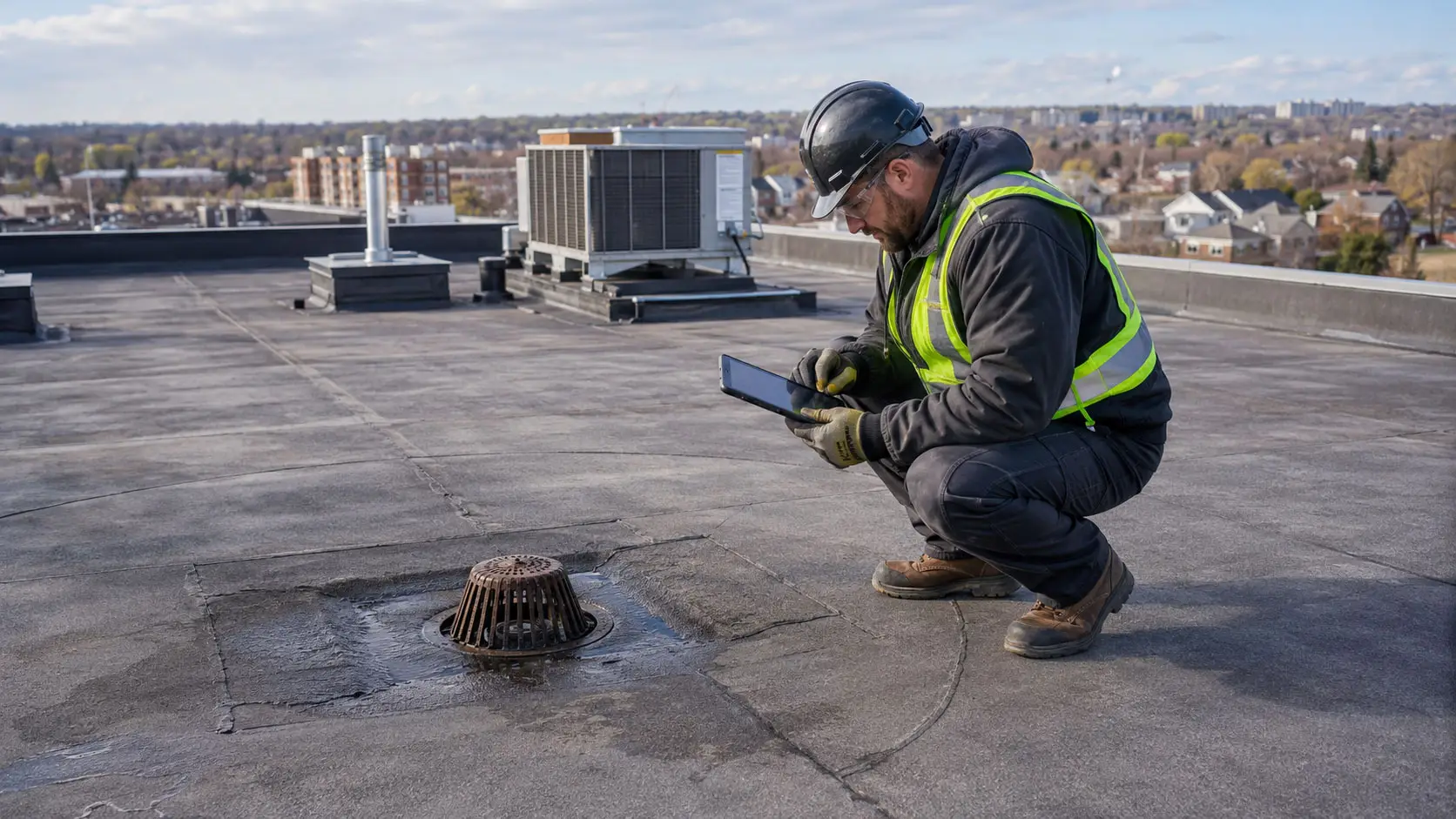
Debris buildup in flat roof drainage area

Water Pooling and Drainage Problems

Flat roofs are particularly prone to water pooling, which can lead to leaks and structural damage. Clogged drains and scuppers can prevent proper runoff, causing standing water that weakens roofing materials over time.


Freeze-Thaw Cycles and Roof Damage

Ontario’s fluctuating temperatures can lead to repeated freezing and thawing, which causes cracks and deterioration in roofing materials. This is especially problematic for older roofs or those with minor existing damage.


Mold and Algae Growth

Spring’s wet conditions create the perfect environment for mold, algae, and moss, which can degrade roofing materials and lead to further damage if left untreated.


Essential Spring Roof Maintenance Tips

1. Clear Debris from Roof and Gutters

Regularly remove leaves, branches, and dirt to prevent clogged drainage systems and water pooling.

2. Inspect for Damage and Leaks

Check for cracks, blisters, or soft spots in your roofing membrane. Interior water stains or damp insulation may indicate leaks that need immediate attention.

3. Schedule a Professional Roof Inspection

Certified roofers can identify hidden damage, ensure proper drainage, and recommend necessary repairs before small issues turn into major problems.

4. Ensure Proper Drainage and Water Flow

Check drains, downspouts, and scuppers for blockages to prevent water from accumulating on your flat roof.


How Garcia Roofing Helps Protect Your Roof This Spring

At Garcia Roofing, we specialize in comprehensive spring roof inspections, preventive maintenance, and professional repairs. Our certified team ensures that your roof is ready to handle Ontario’s unpredictable weather.


Get in Touch with Garcia Roofing

Don’t wait until a small leak becomes a major issue. Contact Garcia Roofing today to schedule your spring roof inspection and maintenance service.

We’re not just here for today, we’ll be here for tomorrow.

What is Flat Roofing? Understanding the Benefits for Ontario Properties

Introduction

Flat roofing is becoming an increasingly popular option for properties across Ontario, especially for commercial and industrial buildings, but also retail and multi-unit residential buildings. Between the multiple methods or material options for flat roofing, its sleek design, cost-effectiveness, durability, and adaptability means that flat roofing offers several advantages, making it ideal for Ontario’s often harsh climate. At Garcia Roofing, we specialize in flat roofing solutions tailored to Ontario’s unique needs, including a hybrid method called Modified Bitumen. This blog post explores what flat roofing is, its unique benefits, and how it can enhance property resilience and energy efficiency in Ontario. Whether you’re an investor, contractor, or building owner, understanding these benefits will help you make informed choices for your property’s long-term value.


Table of Contents

1. What is Flat Roofing?
2. Why Choose Flat Roofing for Ontario Properties?
3. Key Benefits of Flat Roofing
4. Flat Roofing and Ontario’s Climate
5. Materials and Maintenance for Flat Roofing
6. Why Garcia Roofing?
7. Frequently Asked Questions

________________________________________


What is Flat Roofing?

Flat roofing is a type of roofing system with a low pitch or nearly horizontal design, often ranging between 0.5 to 2 degrees of slope. Unlike traditional pitched roofs, flat roofs are minimal in slope, offering a modern look and maximizing usable space on top of buildings. In Ontario, thanks to its adaptability, flat roofing is popular for commercial, industrial, and residential properties, particularly in urban areas where space and energy efficiency are high priorities.


Why Choose Flat Roofing for Ontario Properties?

Ontario’s varied climate, which includes hot summers and snowy, cold winters, makes flat roofing a practical choice. Due to the lack of steep angles, flat roofs are durable and provide flexibility in design. This roofing type is often designed to withstand heavy snowfall and drain effectively, ensuring resilience during Ontario’s winter months.


Key Benefits of Flat Roofing

1. Cost-Effective Installation and Maintenance

Flat roofing systems are often more affordable to install and repair than sloped roofs, making them ideal for large commercial buildings or multi-unit residential properties. With fewer materials required and a simpler installation process, flat roofs allow property owners to save on costs both upfront and in the long term.

2. Energy Efficiency and Sustainability

A flat roof allows for easier installation of energy-efficient materials, such as reflective coatings, that reduce heat absorption. Additionally, flat roofs make it simpler to add solar panels, enhancing energy sustainability for properties. In Ontario, where energy costs can fluctuate seasonally, a flat roof can help reduce utility bills year-round.

3. Maximizes Usable Space

Flat roofing provides extra usable space that can be utilized for various purposes, such as rooftop gardens, seating areas, or additional storage. For Ontario’s densely populated urban areas, a flat roof can offer valuable space that adds both functionality and aesthetic appeal to the building.

4. Durability and Weather Resistance

Flat roofs are engineered to withstand heavy snow loads and intense winds, making them an ideal choice for Ontario’s climate. Modern flat roofing systems often include waterproofing layers that add an extra layer of durability, reducing the likelihood of leaks and moisture damage.


Flat Roofing and Ontario’s Climate

Ontario’s climate can be unpredictable, with intense winters and humid summers. Flat roofing materials, including thermoplastic polyolefin (TPO) and polyvinyl chloride (PVC), are designed to expand and contract with temperature changes. These materials provide strong protection against snow, rain, and UV rays, making them durable enough for Ontario’s varying seasonal conditions.


Materials and Maintenance for Flat Roofing

1. Materials Commonly Used in Flat Roofing

o ModBit (Modified Bitumen): A safe, flexible and easy to maintain solution best used for retail, public and residential buildings.
o TPO (Thermoplastic Polyolefin): Known for its energy efficiency and affordability, TPO is resistant to UV rays and punctures, making it ideal for Ontario’s climate.
o EPDM (Ethylene Propylene Diene Terpolymer): A synthetic rubber membrane that offers flexibility and durability, especially in colder temperatures.
o PVC (Polyvinyl Chloride): A high-performance option, PVC is highly resistant to chemicals, making it ideal for industrial sites.

2. Maintenance Tips

Routine maintenance is essential to maximizing a flat roof’s lifespan. Property owners should clear debris, inspect drainage systems, and regularly check for signs of wear or damage. Partnering with a reliable roofing company like Garcia Roofing ensures that these maintenance needs are addressed efficiently.


Modified Bitumen: The Ideal Solution for Residential and Retail Roofing

At Garcia Roofing, we rely on Modified Bitumen (ModBit) for the majority of our residential and retail projects. ModBit is a hybrid roofing material combining traditional asphalt with modern polymers, creating a durable, flexible, and easy-to-maintain solution.


Key Advantages of Modified Bitumen:

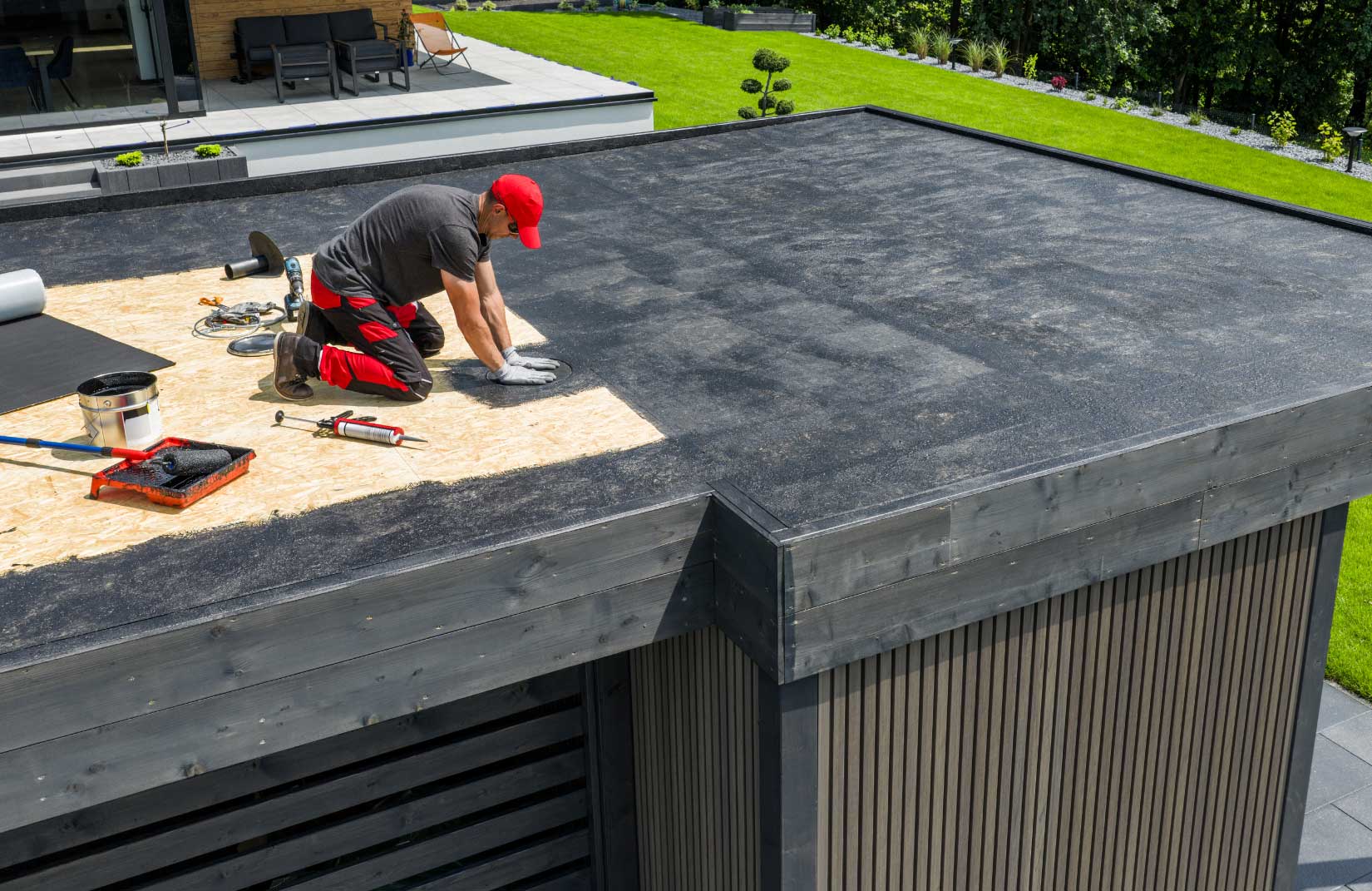
  1. Cold-Applied for Enhanced Safety: Unlike traditional asphalt systems that require open flames, ModBit is cold-applied. This significantly reduces fire hazards during installation, making it an ideal choice for residential and retail buildings.
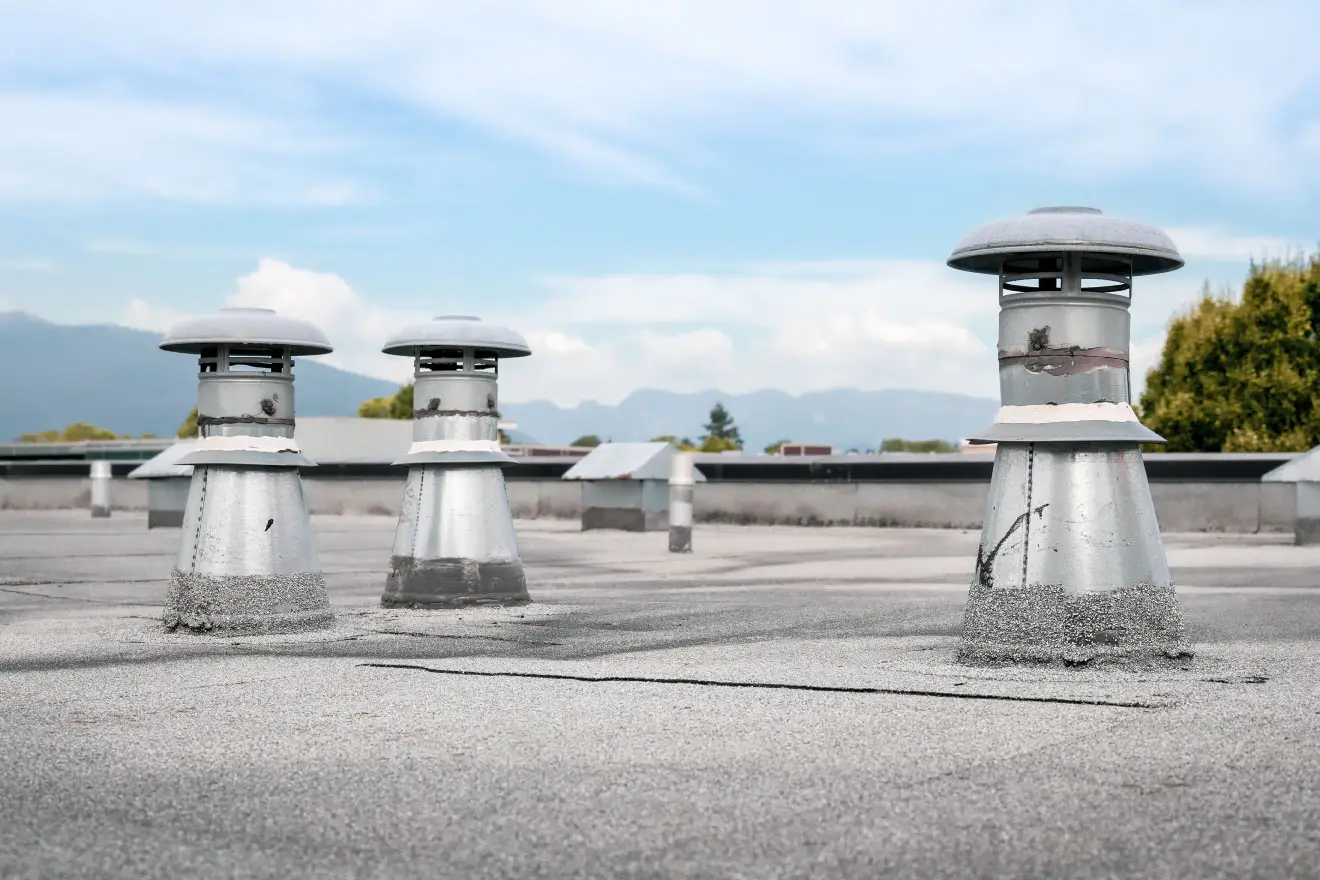
  2. Perfect for Roofs with Multiple Openings: Retail and residential roofs often feature numerous pipes, ventilation systems, and skylights. ModBit’s flexible application method easily accommodates these features, creating a seamless, watertight barrier.
  3. Self-Healing and Easy Repairs: ModBit can self-heal minor punctures, ensuring long-lasting protection. For larger holes, its design makes damages easier to locate and repair, reducing maintenance costs and downtime.
  4. Low Maintenance Requirements: Routine inspections and basic upkeep are often enough to keep a ModBit roof in excellent condition for decades.


Flat Roofing for Industrial Buildings

For industrial buildings, Garcia Roofing utilizes materials like TPO (Thermoplastic Polyolefin), EPDM (Ethylene Propylene Diene Monomer), and PVC (Polyvinyl Chloride). These materials are engineered to withstand heavy loads, extreme temperatures, and chemical exposure, making them ideal for industrial properties where resident safety and the complexity of roof openings are less of a concern.

Why TPO, EPDM, and PVC Work for Industrial Roofing:

  • TPO: Known for its energy efficiency and durability, TPO is resistant to UV rays and punctures.
  • EPDM: This synthetic rubber membrane offers exceptional flexibility in colder climates.
  • PVC: High resistance to chemicals and fire makes PVC a reliable choice for industrial sites.


Our Flat Roofing Process

At Garcia Roofing, we prioritize quality and safety at every stage of the roofing process.

  1. Initial Consultation: We assess your property’s specific needs, considering factors like roof complexity, building type, and budget.
  2. Material Selection: Based on the property’s purpose, we recommend the best roofing material, such as ModBit for residential and retail properties or TPO, EPDM, or PVC for industrial buildings.
  3. Custom Installation: Our experienced team follows a meticulous installation process, ensuring every seam is sealed and all materials are applied to manufacturer specifications.
  4. Post-Installation Inspection: We conduct thorough inspections to verify the roof’s durability and watertightness.
  5. Ongoing Maintenance: We offer regular maintenance services to keep your flat roof performing at its best for years to come.


Why Garcia Roofing?

Garcia Roofing has extensive experience in the Ontario market, offering industry-leading flat roofing solutions for a variety of properties. Our team is certified and skilled in flat roof installation and maintenance, ensuring that your property remains resilient and energy-efficient. As a trusted Ontario roofing contractor, we focus on long-lasting relationships and stand by our commitment to quality and sustainability. Our expertise in Modified Bitumen, along with our capabilities in TPO, EPDM, and PVC systems, ensures we can meet the unique needs of any property. We’re not just here for today, we’re here for tomorrow.


Frequently Asked Questions

1. How long does a flat roof last in Ontario?
Flat roofs typically last 20-30 years, depending on materials and maintenance. Regular inspections help prolong their lifespan.

2. Can flat roofs support heavy snow?
Yes, flat roofs in Ontario are designed with structural integrity to handle heavy snowfall.

3. Is flat roofing energy-efficient?
Flat roofs offer excellent energy efficiency, especially with reflective coatings and insulation, which help regulate indoor temperatures year-round.

4. Why is Modified Bitumen ideal for residential and retail properties?
Its cold-applied method makes it safer, and its flexibility suits roofs with multiple openings, providing durable and low-maintenance solutions.

5. How does ModBit compare to TPO or EPDM?
ModBit is better suited for properties with complex roof designs and safety concerns, while TPO and EPDM excel in industrial applications.

6. How often should flat roofs be maintained?
Regular inspections every 6-12 months and prompt repairs for any damage are recommended to maximize the roof’s lifespan.